Signs Your Home May Need Professional Gas Piping Installation
If you notice issues like gas odors, uneven heating, or leaks, local contractors skilled in gas piping installation can assess and safely address your home's needs.
Homeowners in the area who notice certain signs may want to consider professional gas piping installation to ensure safety and proper function. Common indicators include the smell of gas near appliances, persistent leaks, or inconsistent performance of gas-powered systems. Recognizing these warning signs early can help property owners avoid potential hazards and maintain a safe living environment. Local contractors skilled in gas piping can assess these issues thoroughly and provide the necessary installation or repairs to keep homes operating smoothly.
Exploring these signs is a practical step for property owners looking to safeguard their homes and loved ones. Whether upgrading existing piping or installing new systems, experienced service providers in the community can deliver reliable solutions tailored to specific needs. Keeping an eye on these warning signals and seeking professional assistance when needed ensures that gas systems are installed correctly and maintained properly for long-term safety and efficiency.
- Gas line inspection - signs your home may need professional gas piping installation when there are unexplained gas odors or leaks detected, prompting local contractors to evaluate and upgrade the piping system.
- Gas appliance installation - when installing new gas-powered appliances, local service providers ensure proper piping setup to meet safety standards and prevent potential hazards.
- Gas piping repairs - persistent pilot light issues or irregular appliance performance can indicate the need for professional gas piping work to address underlying installation problems.
- Gas line upgrades - outdated or damaged piping may require replacement, with local pros handling the process to enhance safety and meet current codes.
- Gas leak detection - if gas leaks are suspected or detected, experienced service providers can perform thorough inspections and install new piping if necessary to eliminate risks.
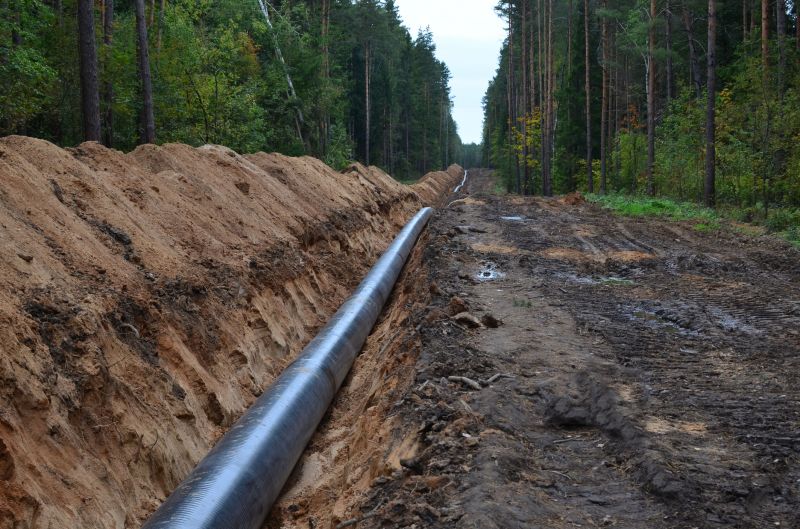
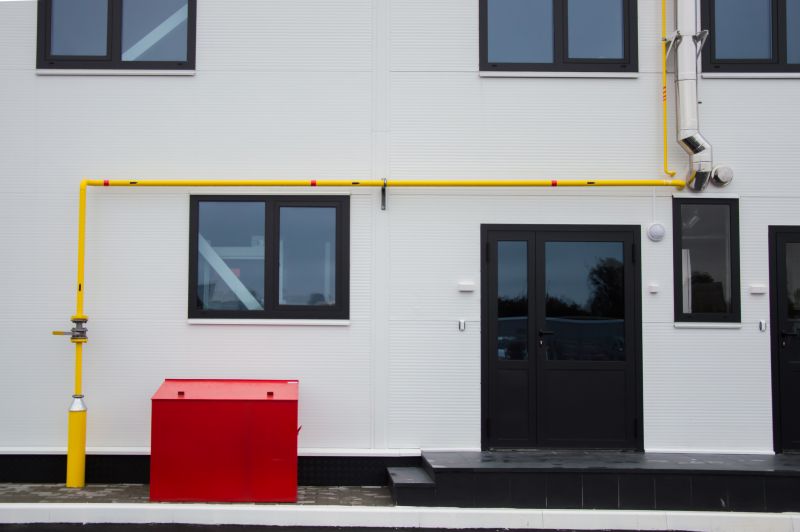
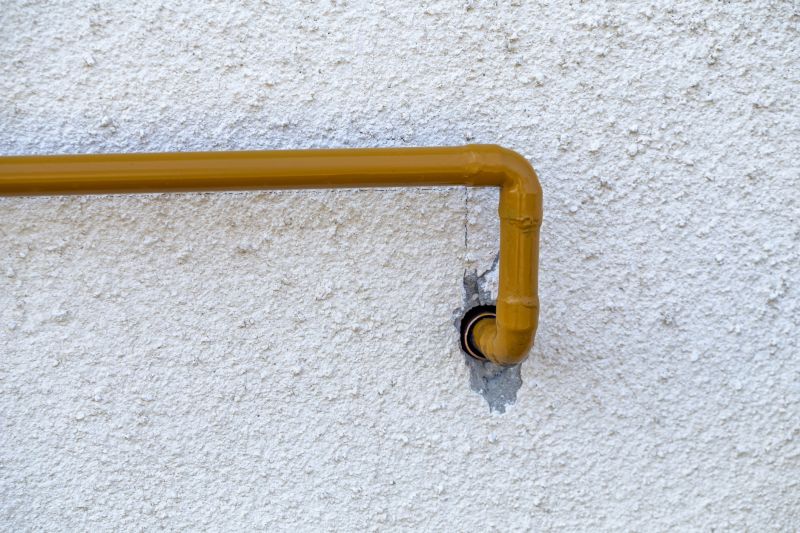
When homeowners search for signs their home may need professional gas piping installation, they often want to identify potential issues that could impact safety or functionality. This topic typically relates to situations where existing gas lines are outdated, damaged, or improperly installed, raising concerns about leaks, inefficiencies, or the need for new connections. People may also be considering upgrades to appliances or adding new gas-powered features such as stoves, water heaters, or fireplaces. Recognizing these signs early can help homeowners connect with local contractors who specialize in gas piping to ensure the work is completed safely and correctly.
The problems associated with gas piping often involve leaks, corrosion, or inadequate pipe sizing that can compromise the safety and efficiency of a home's gas system. Common plans include replacing old or damaged piping, extending existing lines to new appliances, or installing entirely new gas lines in homes that previously relied on electric systems. These projects require careful assessment of the property's layout and existing infrastructure. Homeowners should understand that addressing these issues promptly can prevent dangerous situations, such as gas leaks or carbon monoxide buildup, and ensure appliances operate properly.
Properties that are most likely to need professional gas piping installation tend to be older homes with outdated infrastructure, homes undergoing renovations, or new constructions that require a complete gas system setup. Residential properties, including single-family houses, townhomes, and multi-unit buildings, often fall into this category. Commercial properties, such as restaurants or retail spaces with gas appliances, may also require specialized piping work. In all cases, the complexity of the installation depends on the property's size, layout, and existing gas infrastructure, making it essential to work with experienced service providers who understand local codes and best practices.
Understanding the signs indicating a home may need professional gas piping installation helps homeowners make informed decisions about safety and upgrades. When issues like persistent gas odors, inconsistent appliance performance, or visible corrosion are noticed, it’s a clear signal that a professional assessment is needed. Local contractors who specialize in gas piping can evaluate the situation, recommend appropriate solutions, and handle the installation process safely. Connecting with these service providers ensures that any work done meets safety standards and supports the long-term functionality of the home's gas system.
Gas line rerouting projects - These involve planning and installing new piping routes, requiring similar skills in layout, safety protocols, and tool use as gas piping installation for homes.
Appliance hookup services - Connecting appliances like stoves or water heaters to existing gas lines shares comparable knowledge of gas system connections and safety considerations.
Gas leak detection and repair - Identifying and fixing leaks involves understanding gas piping systems and employing specialized tools, paralleling the skills needed for proper installation.
Indoor plumbing and piping installation - Installing or repairing water and gas pipes inside a home involves planning, precise work, and safety awareness similar to gas piping projects.
HVAC venting and ductwork services - Proper venting and duct installation require planning and technical skills that align with the requirements of safe gas piping systems.
Gas fireplace and heater installation - Setting up gas-powered heating appliances involves connecting gas lines safely, relying on skills comparable to those used in gas piping installation services.
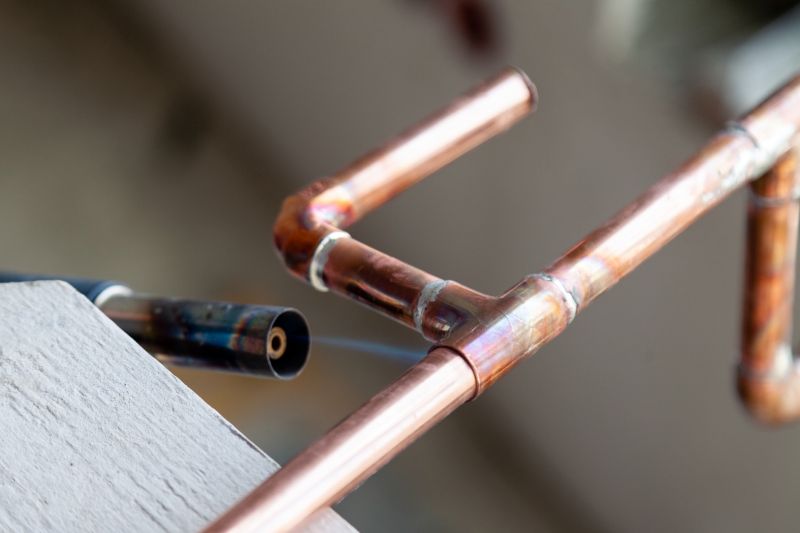
When comparing service providers for gas piping installation, it is important to consider their experience with similar projects. Homeowners should inquire whether the local contractors have a history of handling gas piping work in residential settings, as familiarity with the specific requirements and challenges can influence the quality and safety of the installation. A contractor with a proven track record in projects comparable to the home's needs can offer insights into best practices and potential solutions, helping to ensure the work is performed correctly and efficiently.
Clear written expectations are essential when evaluating potential service providers. Homeowners should seek detailed descriptions of the scope of work, materials to be used, and the estimated process for completing the installation. Having this information in writing helps prevent misunderstandings and provides a reference point throughout the project. Reputable local contractors are typically transparent about their process and can provide comprehensive explanations, making it easier for homeowners to understand what to expect and to compare different proposals effectively.
Good communication and reputable references are key factors that contribute to a positive experience with gas piping installation services. Homeowners should ask potential service providers for references from previous clients or examples of completed projects. This can provide insights into the contractor’s professionalism, reliability, and quality of work. Additionally, effective communication-such as responsiveness to questions and clarity in explanations-helps foster trust and ensures that homeowners are kept informed throughout the project. Choosing local contractors known for transparency and strong client relationships can lead to a smoother and more satisfactory installation process.
Property owners often search for signs your home may need professional gas piping installation when they are planning practical projects around their homes and businesses. Local pros provide Gas Piping Installation services for everyday jobs and straightforward project options.
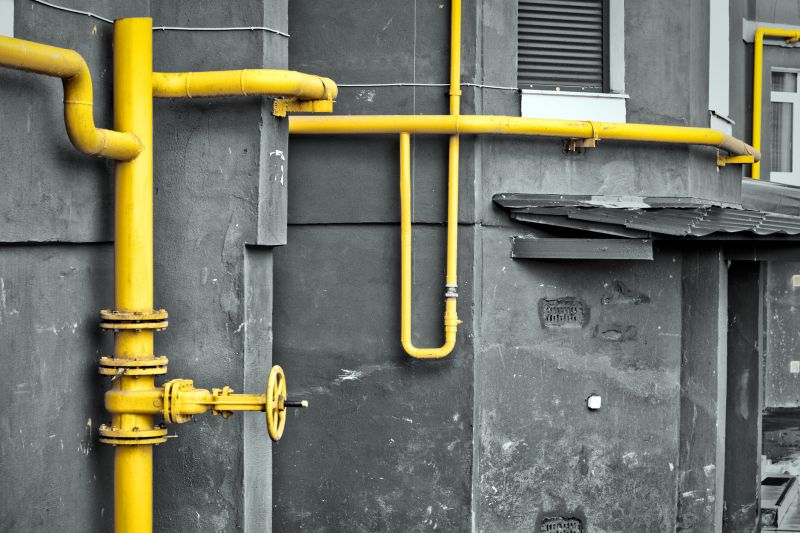
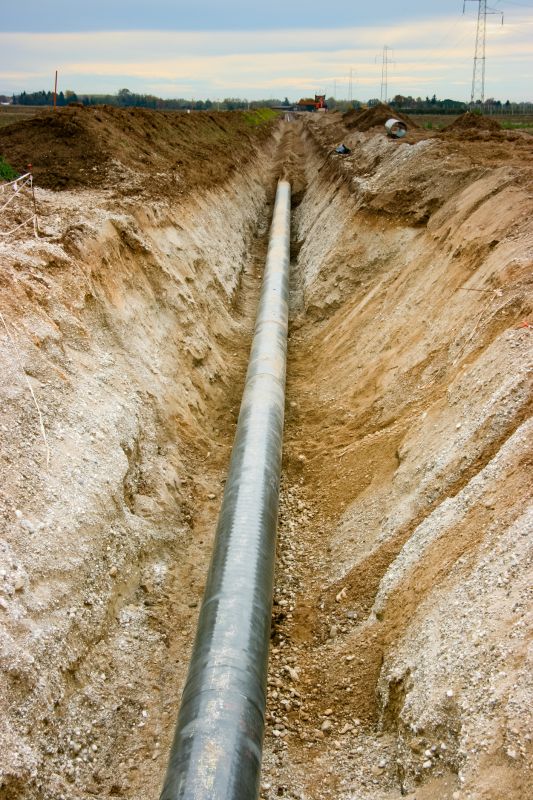
Homeowners in the area might start to notice signs that their home’s gas piping system needs professional attention when appliances begin to operate less efficiently or emit unusual odors. For example, a persistent smell of gas near stoves, water heaters, or furnaces can indicate a potential leak or outdated piping that requires expert inspection and possible installation of new gas lines. Additionally, if there are frequent fluctuations in gas pressure or unexplained pilot light outages, property owners may consider reaching out to local contractors who specialize in gas piping installation to ensure safety and proper functioning.
Other common indicators include visible corrosion or damage to existing gas pipes, which can compromise the integrity of the system. In some cases, property owners may be planning renovations or new installations that involve extending or upgrading their gas lines. For these projects, consulting experienced service providers can help determine whether new gas piping installation is necessary to meet current standards and ensure reliable service. Recognizing these signs early can help prevent more serious issues and facilitate professional solutions tailored to the home’s needs.
What are common signs that indicate a home may need professional gas piping installation? Unusual hissing sounds, gas odors, or inconsistent gas appliance performance can suggest issues with existing gas pipes, making professional inspection and installation advisable.
How can I tell if my gas pipes are deteriorating or unsafe? Visible corrosion, leaks, or damaged pipe connections are signs that the gas piping may need to be replaced or upgraded by experienced service providers.
What symptoms might suggest a gas leak in the home? Symptoms include a strong gas smell, headaches, dizziness, or nausea, which indicate the importance of having a qualified contractor evaluate the gas piping system.
When should I consider professional gas piping installation for new appliances? If installing new gas appliances or expanding existing systems, professional service providers can ensure proper piping setup to meet safety and performance standards.
What are warning signs that existing gas piping may not meet current safety standards? Outdated materials, improper installation, or visible damage can compromise safety, and a professional assessment can determine if new gas piping installation is necessary.
Unusual Gas Odors - Recognizing lingering or strong gas smells can indicate leaks that require professional gas piping installation to ensure safety.
Corroded or Damaged Pipes - Inspecting for rust, corrosion, or visible damage on existing pipes can help property owners identify when new piping from local contractors may be needed.
Inconsistent Gas Pressure - Noticing fluctuations or weak flow in gas appliances may signal outdated or improperly installed piping that should be upgraded by service providers.
Frequent Pilot Light Issues - Experiencing trouble keeping pilot lights lit can suggest issues with gas supply lines that professionals can address through proper piping installation.
If you are thinking about signs your home may need professional gas piping installation for a property, this guide is meant to help you understand this topic, the typical project types, and how different options might fit your plans.
When you are ready, you can use the quote form on this page to share a few details about your project. From there, local pros can review the basics and follow up with options that match what you have in mind.