Gas Line Capping in Austin, TX
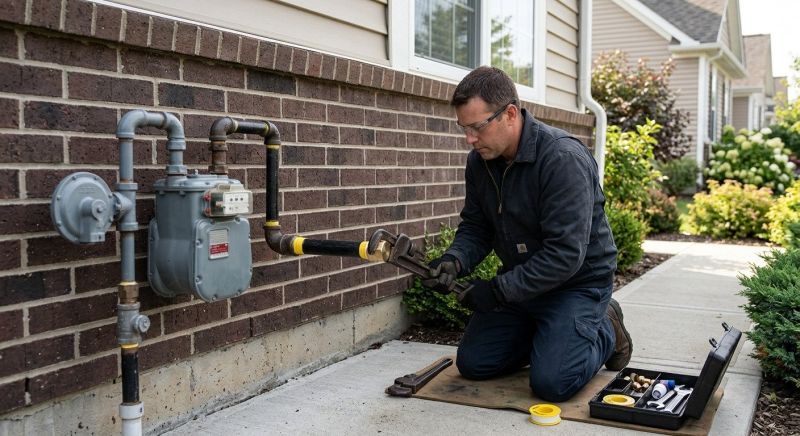
Gas line capping services involve safely sealing off unused or decommissioned gas lines on residential properties. This process is often requested during home renovations, when gas appliances are removed, or when certain lines are no longer needed. Property owners should understand that proper capping ensures the gas line is securely closed to prevent leaks or potential hazards, and the work typically covers both indoor and outdoor gas lines, including those connected to appliances, fireplaces, or outdoor grills.
Before requesting gas line capping, property owners usually want to know about the scope of the project, including which lines need to be capped and whether any permits or inspections are required. Clear communication about the location and condition of existing gas lines can help ensure the work is completed efficiently and safely. Properly capped gas lines contribute to the safety and integrity of the property, especially during remodeling or when making changes to gas-powered systems.
Many property owners in Austin, TX look into Gas Line Capping for repairs, replacements, upgrades, and appearance-related improvements.
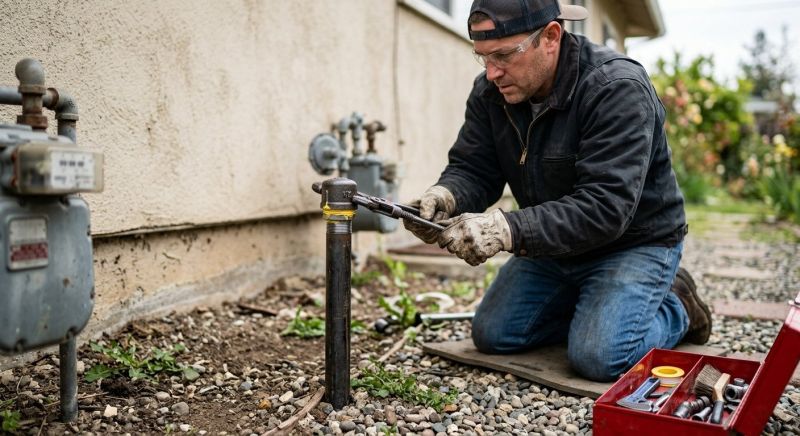
Purpose Of Gas Line Capping
Gas line capping prevents leaks and ensures safety when lines are unused or disconnected.
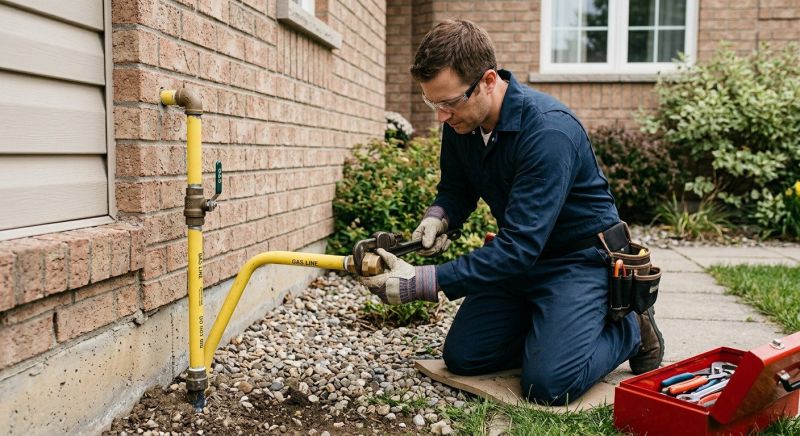
Common Reasons For Capping
Property owners may request gas line capping during renovations, repairs, or property sales in austin, tx.
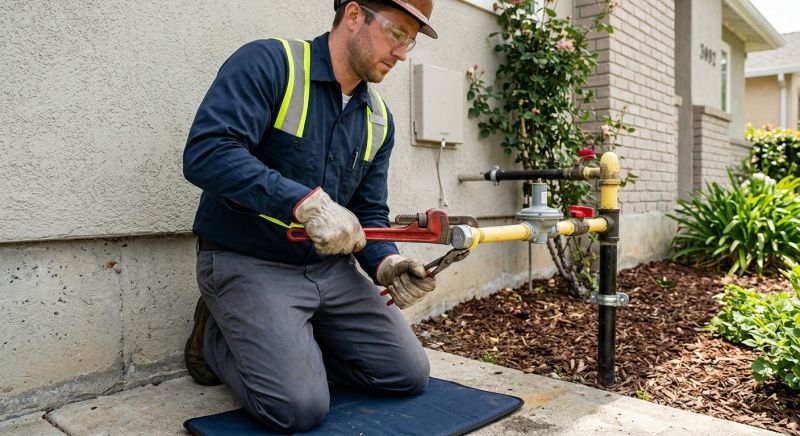
What To Expect
Proper capping involves securely sealing gas lines to maintain safety and code compliance.
Gas Line Capping in Austin, TX

Gas line capping services involve safely sealing off unused or decommissioned gas lines on residential properties. This process is often requested during home renovations, when gas appliances are removed, or when certain lines are no longer needed. Property owners should understand that proper capping ensures the gas line is securely closed to prevent leaks or potential hazards, and the work typically covers both indoor and outdoor gas lines, including those connected to appliances, fireplaces, or outdoor grills.
Before requesting gas line capping, property owners usually want to know about the scope of the project, including which lines need to be capped and whether any permits or inspections are required. Clear communication about the location and condition of existing gas lines can help ensure the work is completed efficiently and safely. Properly capped gas lines contribute to the safety and integrity of the property, especially during remodeling or when making changes to gas-powered systems.
Many property owners in Austin, TX look into Gas Line Capping for repairs, replacements, upgrades, and appearance-related improvements.
Common Gas Line Capping Jobs
Gas Line Capping Services - Securely sealing unused gas lines to prevent leaks and ensure safety.
Residential Gas Line Capping - Removing or decommissioning gas lines in homes and properties.
Commercial Gas Line Capping - Capping gas lines in business properties for safety and code compliance.
Gas Line Abandonment - Properly decommissioning and sealing gas lines that are no longer in use.
Emergency Gas Line Capping - Immediate sealing of gas lines during urgent safety situations.
Gas Line Inspection and Capping - Assessing and safely sealing gas lines as part of renovation or repair projects.
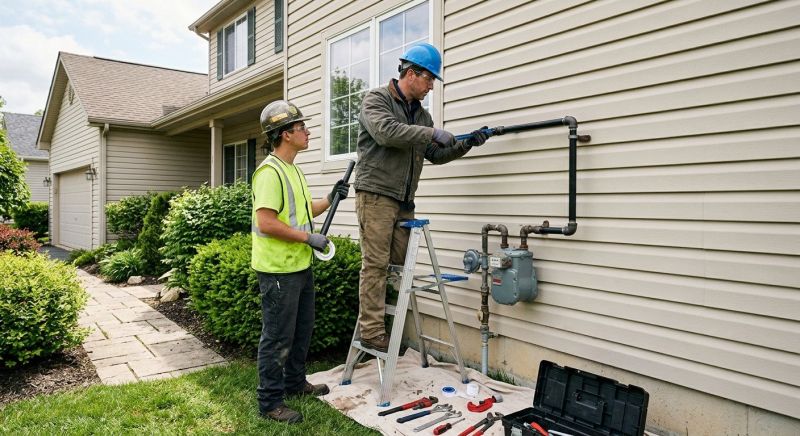
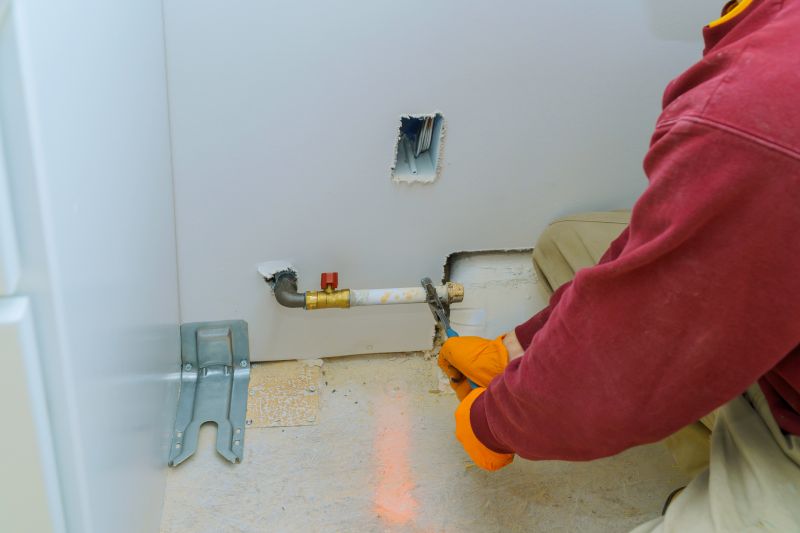
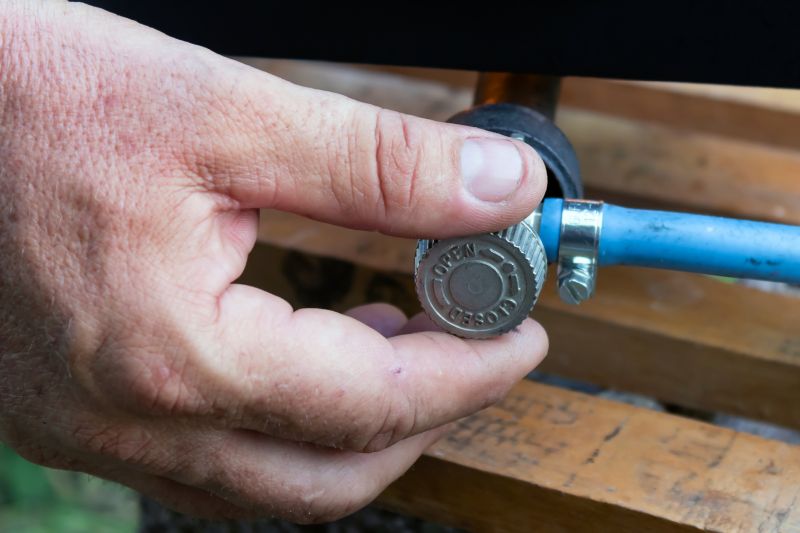
Gas Line Capping Questions
What is gas line capping? Gas line capping involves sealing off an unused or disconnected gas line to prevent leaks and ensure safety.
When is gas line capping needed? It is typically required during home renovations, appliance removal, or if a gas line is no longer in use.
Are gas line caps safe for property owners? Yes, properly installed caps help prevent gas leaks and reduce the risk of accidents.
What types of gas line caps are available? There are various caps designed for different pipe sizes and types, including threaded and compression fittings.
Request Gas Line Capping in Austin, TX
Use the quote form on this page to share the basics of your project and request more information for the type of work you need.